Scientists Warn: This Little-Known Compound Found in the Bloodstream May Be the Real Reason Blood Pressure and Belly Fat Get Worse Together — And Doctors Almost Never Test For It
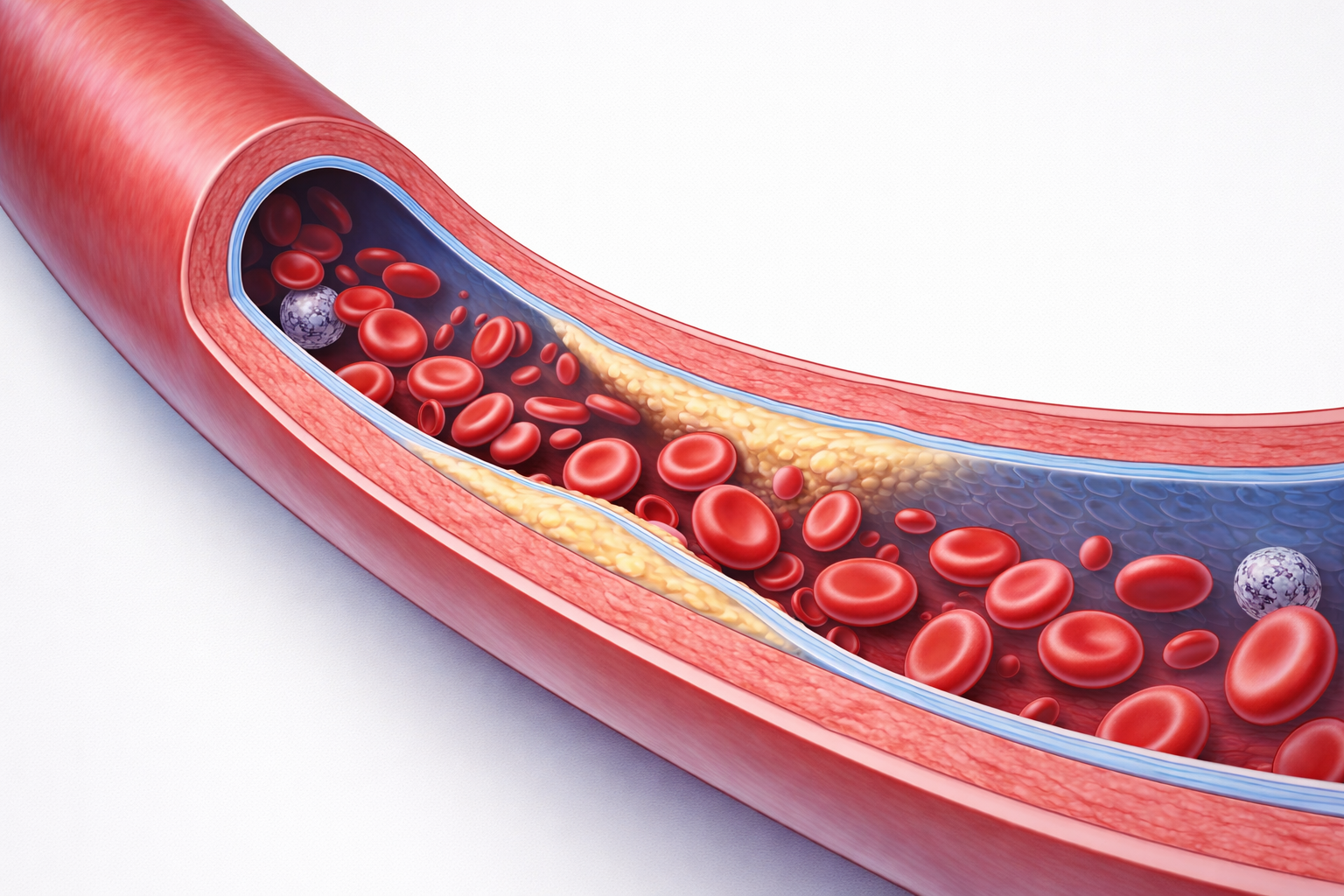
For millions of adults over 50, two frustrating health problems seem to arrive at the same time and get worse together: blood pressure that keeps creeping up, and belly fat that won't budge no matter what they try.
Most people assume these are separate problems. One is a heart issue. The other is a metabolism issue. Treat them separately, manage them separately.
But a growing body of research now suggests they may share a single hidden cause — one that develops quietly inside the bloodstream and that standard medical checkups almost never catch.
The Amino Acid Buildup Doctors Don't Screen For
Researchers studying cardiovascular and metabolic health have identified a naturally occurring amino acid that tends to accumulate in the bloodstream as we age — particularly after age 50.
In small amounts, it's harmless. But as levels rise, scientists say it can trigger a chain reaction inside the body that affects two systems at once.
First, it begins to reduce the flexibility of blood vessel walls, making it harder for blood to flow smoothly and forcing the heart to push harder — which shows up as rising blood pressure readings.
At the same time, it appears to disrupt the body's normal metabolic signaling, essentially jamming the fat-burning process and encouraging fat to collect specifically around the midsection.
Researchers have taken to calling this the "hidden fat trap" — because once it's active, even healthy habits struggle to overcome it.
Why This Goes Undetected for Years
What makes this especially frustrating is that routine blood work doesn't test for this amino acid.
That means a person can go to the doctor, get a clean bill of health on their standard panel, and still have this compound quietly accumulating — driving up their blood pressure and reinforcing fat storage — with no one ever identifying it as the source.
Blood pressure climbs despite medication → doctor increases dose → weight continues to rise despite diet changes → energy drops → healthy habits feel less and less effective → the cycle repeats. For many adults, this isn't aging. Researchers now believe it may be this undetected buildup working against them the entire time.
The symptoms that result will feel familiar to a large number of adults:
- Blood pressure that keeps rising even on medication
- Stubborn belly fat that resists diet and exercise
- Persistent low energy — even with enough sleep
- The feeling that your body has stopped responding the way it used to
- Weight that seems to concentrate around the midsection specifically
This isn't about willpower. It's not simply "getting older." It may be about an internal environment that has quietly shifted — and that no one has looked at directly.
Why Treating Each Problem Separately Often Falls Short
Blood pressure medications are designed to manage arterial pressure — they work by relaxing blood vessels or reducing fluid volume. What they're not designed to do is clear a metabolic compound that's generating the internal resistance in the first place.
Similarly, standard weight-loss advice — eat less, move more — doesn't account for a fat-trapping mechanism that's actively working against the body's ability to burn stored energy.
That's why so many adults report a version of the same experience: treatments help for a while, then seem to plateau. Progress stalls. And despite doing everything they're told, results feel harder and harder to maintain.
Researchers have now identified a simple morning habit that may help the body naturally clear this amino acid buildup — with early findings suggesting it can support healthier blood pressure and more efficient fat metabolism at the same time.
👉 Watch the Free Video PresentationSee what researchers are now recommending
Free to watch now · No signup required
A Simple Morning Ritual Is Now Gaining Research Attention
In response to these findings, researchers began exploring whether natural nutritional strategies could help the body reduce this amino acid buildup and restore normal vascular and metabolic function — without requiring extreme diets or aggressive medical interventions.
One approach is now generating significant attention: a morning ritual that takes less than a minute and is designed to work with the body's natural processes to help flush out the compounds disrupting blood flow and fat metabolism.
According to the research, this daily habit may help:
- Reduce the amino acid buildup driving the hidden fat trap
- Restore flexibility to blood vessel walls for smoother circulation
- Reactivate the body's natural fat-burning signaling
- Support healthier blood pressure from the inside out
For many people, the biggest shift isn't just physical — it's finally understanding why their efforts weren't producing results. When the underlying environment changes, the same habits that felt useless can start working again.
The short video below walks through exactly how this amino acid accumulates, why it creates problems with both blood pressure and belly fat simultaneously, and the specific daily approach researchers say may help reverse the process naturally.
It's currently free to watch — but researchers involved in this work have noted pressure from parties with financial interests in keeping this information from reaching a wider audience. If the video is still available, we recommend watching it now.